Adolescent Orthodontic Treatment
Teenage orthodontic therapy improves smiles, speaking, chewing, and oral health by straightening and aligning teeth. We offer tailored orthodontic treatment to teenagers in the Southern Suburban area of Cape Town.
Adolescent treatment
Orthodontic treatment for adolescents is a significant step in promoting oral health and achieving a perfect smile. As children transition into their teenage years, their teeth and jaw continue to develop, which makes this period ideal for correcting misalignments, bite issues, and other orthodontic problems. This article explores the key aspects of adolescent orthodontic treatment, the benefits, and why early intervention is critical for long-term dental health.
Why Adolescents Need Orthodontic Treatment
During adolescence, a child’s permanent teeth are almost fully developed, but their jaws and bones are still growing. This makes orthodontic intervention easier, faster, and more effective. Adolescent orthodontic treatment addresses issues like misaligned teeth, overbites, underbites, crossbites, and crowding, preventing further complications later in life.
Orthodontic issues left untreated during adolescence can lead to problems such as:
- Difficulty chewing and speaking
- Tooth decay due to improper cleaning
- Excessive wear on certain teeth
- Jaw pain and dysfunction
Starting treatment at this stage can correct these problems before they become more severe, improving the aesthetic appearance and overall oral function.

Types of Orthodontic Treatments for Adolescents
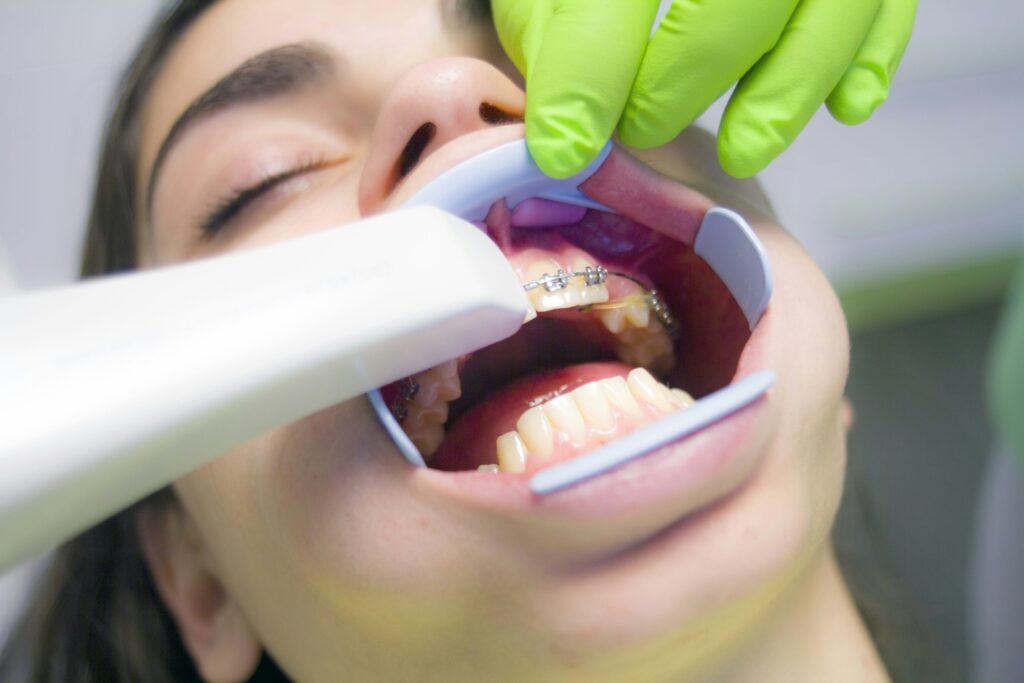
Braces are one of the most common and effective orthodontic treatments for adolescents. Modern braces come in different styles, including metal braces, ceramic braces, and lingual braces. These braces work by applying consistent pressure on the teeth, gradually moving them into the correct position over time.
Metal Braces – Traditional metal braces are durable and effective for even the most complex orthodontic issues. Made from high-grade stainless steel, metal braces remain the most popular choice among adolescents due to their affordability and efficiency.
Ceramic Braces – They are similar to metal braces but feature tooth-colored or clear brackets, making them less noticeable. They are a popular option for adolescents who are conscious about the appearance of their braces but still want effective results.
Lingual braces – They are attached to the back of the teeth, making them invisible from the front. They are a more discreet option, although they can be slightly more uncomfortable initially as they are closer to the tongue.
Clear aligners, such as Invisalign, have become increasingly popular among adolescents due to their convenience and aesthetic appeal. These aligners are custom-made trays that are virtually invisible and can be removed while eating, brushing, or flossing. Invisalign for teens is designed to accommodate growing mouths and can effectively correct mild to moderate orthodontic issues.
In cases where the upper jaw is too narrow, palatal expanders are used to widen the jaw, making more room for the teeth to fit correctly. These devices are typically recommended during early adolescence, as the bones are still malleable and can easily be reshaped. Once the desired width is achieved, braces or aligners are often used to straighten the teeth.
Retainers are usually prescribed after braces or aligner treatment to ensure the teeth remain in their new positions. Adolescents may need to wear a retainer full-time initially, gradually moving to nighttime use. Retainers help to maintain the results of orthodontic treatment and prevent relapse.
The Benefits of Adolescent Orthodontic Treatment
Addressing orthodontic issues during adolescence has both short-term and long-term benefits. Some of the key benefits include:
Improved Oral Health – Straight teeth are easier to clean, reducing the risk of cavities, gum disease, and other dental issues. Adolescents with properly aligned teeth are more likely to maintain good oral hygiene habits throughout their lives.
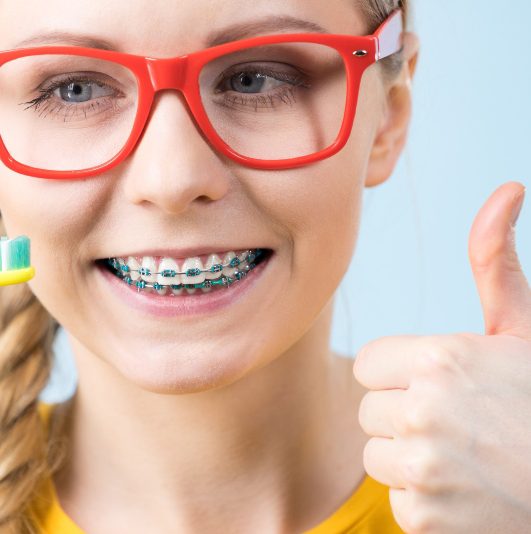
Enhanced Confidence – Having straight, well-aligned teeth can significantly boost an adolescent’s self-esteem. Orthodontic treatment can correct noticeable misalignments or crooked teeth, helping teenagers feel more confident about their appearance.
Better Functionality – Proper alignment of teeth and jaws ensures that chewing, speaking, and biting function correctly. Treating overbites, underbites, or crossbites early prevents future issues with jaw pain and tooth wear.
Prevent Future Problems – Early orthodontic intervention can prevent more severe problems later in life, such as TMJ disorders and the need for more invasive treatments like jaw surgery. By addressing these issues in adolescence, the bones and teeth can be guided into the correct positions more easily.
When Should Adolescents Start Orthodontic Treatment?
The best time to start orthodontic treatment varies for each child. However, the South African Society of Orthodontists recommends taking your child on a trip to the Orthodontist between the ages of 7 and 10. At this age, your child will have a combination of baby and adult teeth. For most adolescents, treatment begins between the ages of 11 and 15, once all or most of their permanent teeth have come in.
An early assessment allows the orthodontist to detect potential issues and develop a customized treatment plan tailored to the child’s specific needs.
The Process of Adolescent Orthodontic Treatment
1. Initial Consultation
The first step in the treatment process is an initial consultation with an orthodontist. During this appointment, a comprehensive examination of the teeth, jaws, and facial structure will be conducted using X-rays, photographs, and impressions.
2. Customized Treatment Plan
Based on the initial assessment, the orthodontist will create a personalized treatment plan that outlines the recommended treatments, timeline, and expected results.
3. Active Treatment Phase
Once the treatment plan is in place, the active treatment phase begins. This may involve the placement of braces, fitting aligners, or using other orthodontic appliances. Regular follow-up appointments will be scheduled to monitor progress and make necessary adjustments.
4. Retention Phase
After the active treatment phase is completed, the orthodontist will provide retainers to ensure that the teeth stay in their new positions. Retainers may be worn full-time initially and gradually reduced to nighttime use.
Common Concerns During Adolescent Orthodontic Treatment
While orthodontic treatment provides numerous benefits, adolescents and their parents may have concerns about the process. Some of the most common concerns include:
- Pain or discomfort: While some discomfort is normal after adjustments, it typically subsides after a few days. Over-the-counter pain relievers can help alleviate any discomfort.
- Treatment duration: The duration of orthodontic treatment varies depending on the severity of the issue. Most adolescents wear braces or aligners for 12 to 36 months.
- Diet restrictions: Adolescents with braces may need to avoid certain foods that can damage the brackets or wires, such as sticky, hard, or chewy foods.
The Importance of Early Orthodontic Intervention
Orthodontic treatment during adolescence can have a lasting impact on both oral health and self-esteem. By addressing misalignments and bite issues early, adolescents can enjoy the benefits of a healthy, beautiful smile for the rest of their lives.
Adolescent treatment
Adolescent orthodontic treatment offers several benefits that extend beyond just achieving a beautiful smile. Here are some key advantages:
Improved Oral Health: Straight teeth are easier to brush and floss, reducing the risk of cavities and gum disease. Correcting misalignment early can prevent more serious dental issues later in life, such as tooth wear, jaw pain, and difficulty in chewing.
Enhanced Appearance and Self-Esteem: Orthodontic treatment can significantly enhance the appearance of teeth, leading to a more attractive smile. A better smile can improve self-esteem and confidence, which is particularly important during the often-challenging adolescent years.
Correct Jaw Alignment: Treatment can correct bite issues such as overbites, underbites, and crossbites, leading to better function and comfort. Proper alignment can alleviate or prevent temporomandibular joint (TMJ) disorders and associated pain.
Better Long-Term Results: Adolescents’ bones and teeth are more malleable and responsive to treatment, often resulting in faster and more effective outcomes. Treating issues early can minimize the risk of them recurring in adulthood.
Improved Speech and Chewing: Correcting misaligned teeth and jaws can improve speech patterns and make chewing more efficient and comfortable. Addressing alignment issues early can prevent or mitigate speech difficulties that might arise from misaligned teeth.
Reduced Risk of Injury: Correcting protruding front teeth can reduce the risk of injury or damage, especially in active adolescents involved in sports.
Early Intervention and Monitoring: Orthodontists can guide the growth of the jaw and incoming permanent teeth, addressing issues before they become more complex. Regular orthodontic visits ensure continuous monitoring and timely adjustments to the treatment plan.
Cost-Effectiveness: Addressing orthodontic issues during adolescence can be more cost-effective than waiting until adulthood, when problems may require more complex and expensive treatments.
Improved Oral Health: Straight teeth are easier to brush and floss, reducing the risk of cavities and gum disease. Correcting misalignment early can prevent more serious dental issues later in life, such as tooth wear, jaw pain, and difficulty in chewing.
Enhanced Appearance and Self-Esteem: Orthodontic treatment can significantly enhance the appearance of teeth, leading to a more attractive smile. A better smile can improve self-esteem and confidence, which is particularly important during the often-challenging adolescent years.
Correct Jaw Alignment: Treatment can correct bite issues such as overbites, underbites, and crossbites, leading to better function and comfort. Proper alignment can alleviate or prevent temporomandibular joint (TMJ) disorders and associated pain.
Better Long-Term Results: Adolescents’ bones and teeth are more malleable and responsive to treatment, often resulting in faster and more effective outcomes. Treating issues early can minimize the risk of them recurring in adulthood.
Improved Speech and Chewing: Correcting misaligned teeth and jaws can improve speech patterns and make chewing more efficient and comfortable. Addressing alignment issues early can prevent or mitigate speech difficulties that might arise from misaligned teeth.
Reduced Risk of Injury: Correcting protruding front teeth can reduce the risk of injury or damage, especially in active adolescents involved in sports.
Early Intervention and Monitoring: Orthodontists can guide the growth of the jaw and incoming permanent teeth, addressing issues before they become more complex. Regular orthodontic visits ensure continuous monitoring and timely adjustments to the treatment plan.
Cost-Effectiveness: Addressing orthodontic issues during adolescence can be more cost-effective than waiting until adulthood, when problems may require more complex and expensive treatments.