Our Services
Our Services
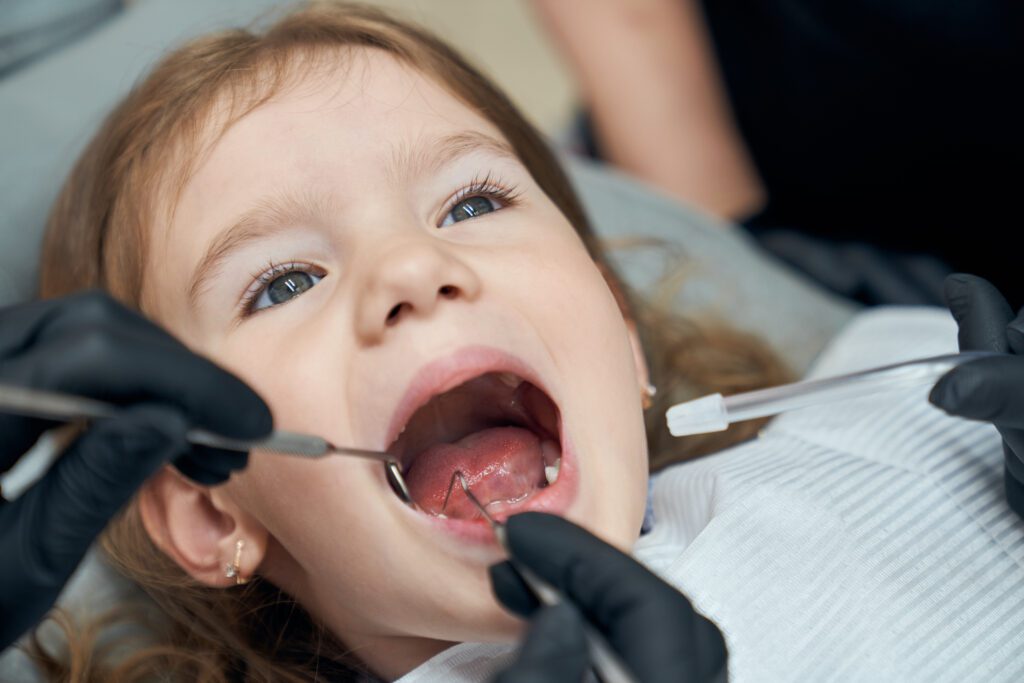
Early orthodontic treatment
Early orthodontic treatment offers several benefits for children, including:
Improved Oral Health: Early intervention can correct dental issues before they become more serious, reducing the risk of tooth decay, gum disease, and other oral health problems.
Guidance of Jaw Growth: Early treatment can guide the growth of the jaw, ensuring proper alignment and function, which can prevent more severe orthodontic issues later on.
Improved Appearance: Addressing issues such as protruding teeth, gaps, and overcrowding can enhance your child’s appearance and boost their self-esteem and confidence.
Reduced Risk of Trauma: Protruding front teeth are more susceptible to injury. Early treatment can reposition these teeth to a safer alignment.
Better Function: Correcting bite problems can improve your child’s ability to chew and speak properly, enhancing overall oral function.
Easier Treatment: Early orthodontic intervention often simplifies and shortens the duration of later treatments, making them less invasive and more effective.
Prevention of Habits: Early treatment can help break habits like thumb-sucking and tongue thrusting, which can cause or exacerbate dental issues.
Space Maintenance: For children who lose baby teeth prematurely, early treatment can help maintain the space for permanent teeth, ensuring they erupt correctly.
Cost Efficiency: Addressing orthodontic problems early can potentially reduce the need for more extensive and costly treatments in the future.
Evaluation is recommended for children from age 8 for optimal results.
Overall, early orthodontic treatment can set the foundation for a healthier, more functional, and aesthetically pleasing dental structure as your child grows.
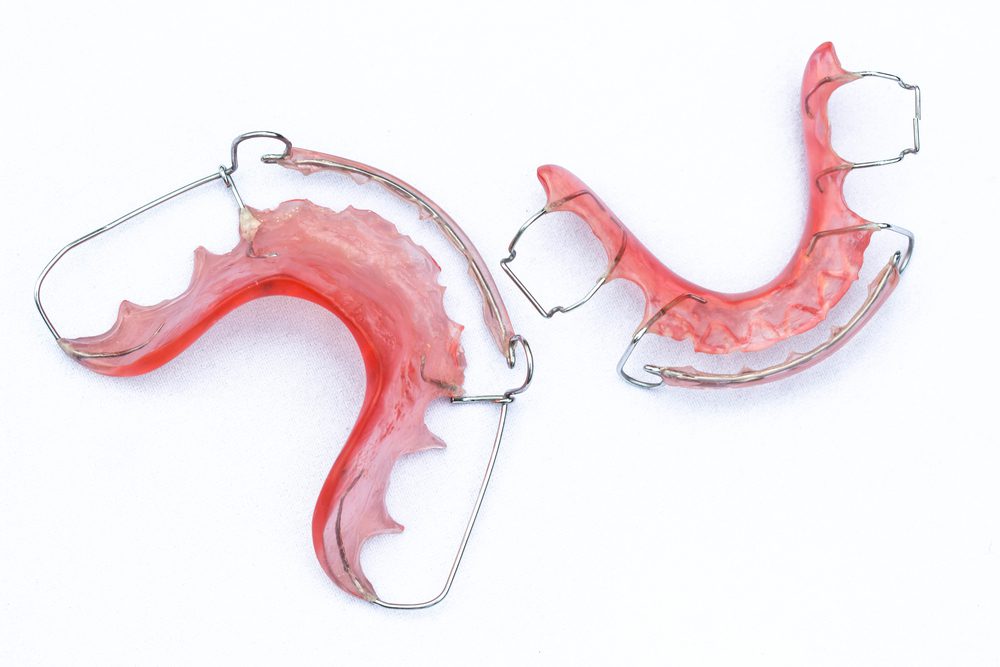
Removable Appliances
Removable appliances offer significant advantages over traditional braces. They are nearly invisible, making them aesthetically appealing for patients concerned about their appearance during treatment. Their smooth plastic or acrylic construction ensures greater comfort by eliminating the discomfort caused by metal brackets and wires.
These appliances are removable, allowing for easy maintenance of oral hygiene with regular brushing and flossing. Unlike traditional braces, there are no dietary restrictions since removable appliances can be taken out during meals, offering patients the freedom to eat what they want without fear of damaging their orthodontic appliances.
Additionally, removable appliances support a more flexible lifestyle as they can be temporarily removed for special occasions or activities. With advancements in digital technology, treatment planning is highly precise, ensuring efficient tooth movement and predictable outcomes. Overall, removable orthodontic appliances provide a convenient, comfortable, and effective solution for achieving a straighter smile.
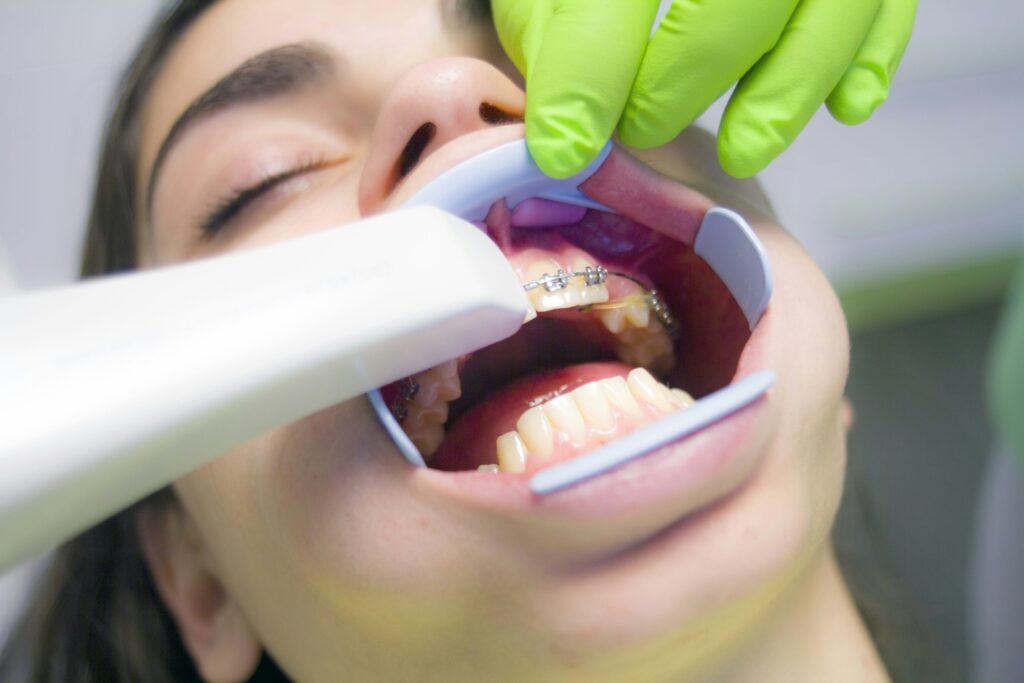
Adolescent treatment
Improved Oral Health: Straight teeth are easier to brush and floss, reducing the risk of cavities and gum disease. Correcting misalignment early can prevent more serious dental issues later in life, such as tooth wear, jaw pain, and difficulty in chewing.
Enhanced Appearance and Self-Esteem: Orthodontic treatment can significantly enhance the appearance of teeth, leading to a more attractive smile. A better smile can improve self-esteem and confidence, which is particularly important during the often-challenging adolescent years.
Correct Jaw Alignment: Treatment can correct bite issues such as overbites, underbites, and crossbites, leading to better function and comfort. Proper alignment can alleviate or prevent temporomandibular joint (TMJ) disorders and associated pain.
Better Long-Term Results: Adolescents’ bones and teeth are more malleable and responsive to treatment, often resulting in faster and more effective outcomes. Treating issues early can minimize the risk of them recurring in adulthood.
Improved Speech and Chewing: Correcting misaligned teeth and jaws can improve speech patterns and make chewing more efficient and comfortable. Addressing alignment issues early can prevent or mitigate speech difficulties that might arise from misaligned teeth.
Reduced Risk of Injury: Correcting protruding front teeth can reduce the risk of injury or damage, especially in active adolescents involved in sports.
Early Intervention and Monitoring: Orthodontists can guide the growth of the jaw and incoming permanent teeth, addressing issues before they become more complex. Regular orthodontic visits ensure continuous monitoring and timely adjustments to the treatment plan.
Cost-Effectiveness: Addressing orthodontic issues during adolescence can be more cost-effective than waiting until adulthood, when problems may require more complex and expensive treatments.
Functional appliances
Functional orthodontic appliances are specialized devices used to correct discrepancies in jaw growth and alignment, particularly in children and adolescents whose jaws are still developing. Unlike traditional braces, which primarily focus on straightening teeth, functional appliances aim to modify the relationship between the upper and lower jaws to achieve better facial balance and bite. They correct conditions such as overbites, underbites and crossbites.
These appliances work by harnessing the natural growth potential of the jaws over several months. They typically consist of parts for both the upper and lower jaws that interact to stimulate jaw movement and encourage proper alignment. We will regularly monitor and adjust the appliance to make sure it is guiding jaw growth effectively.
Adult Treatment
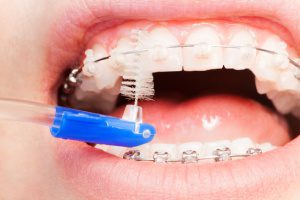
Adult orthodontic treatment involves the correction of misaligned teeth and jaws in those beyond their teenage years. Beyond cosmetic benefits, adult orthodontic treatment can also address functional issues such as difficulty chewing or speaking, jaw pain, and increased risk of dental problems like cavities and gum disease. Improved alignment can contribute to better long-term oral health and overall well-being.
The process begins with a comprehensive evaluation where the alignment of the teeth, jaw relationship, and overall oral health is assessed. Treatment options may include traditional braces, clear aligners, or specialized appliances depending on the complexity of the case.
Adult orthodontic treatment often takes longer than in adolescents due to the denser bone structure and potential presence of dental or periodontal issues that require careful consideration. We will tailor your treatment plan to accommodate your unique needs and preferences, ensuring effective results.
Metal vs Ceramic braces
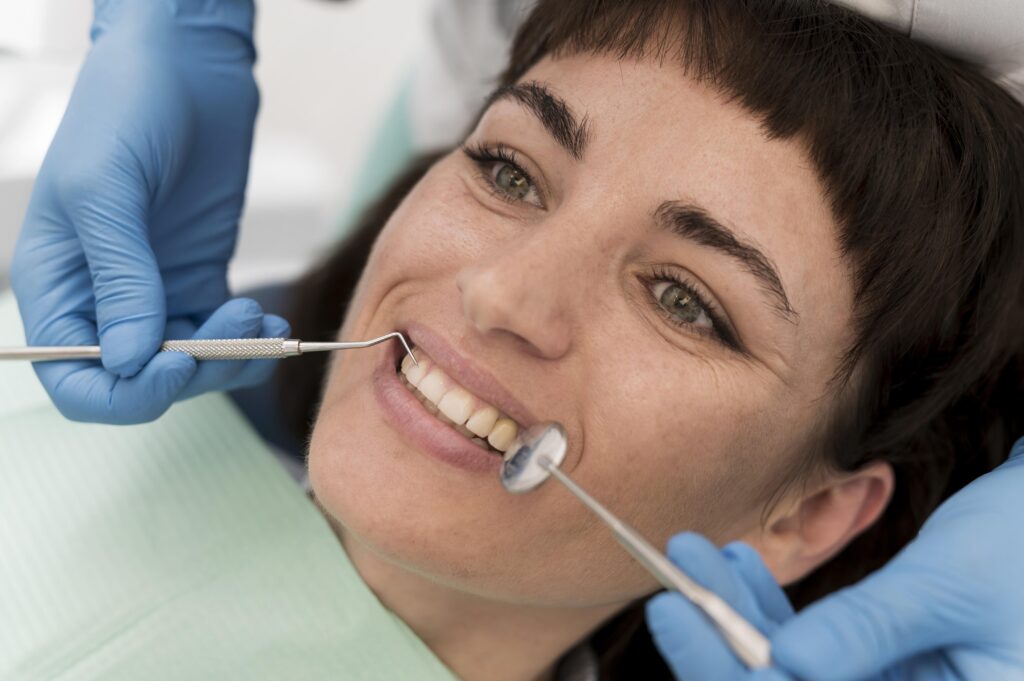
Both metal and ceramic braces involve brackets bonded to the teeth and connected by wires to gradually move teeth into proper alignment. They work in the same way, requiring regular adjustments to make sure the teeth move properly into alignment over time and are equally effective in achieving the desired outcome.
The difference between the two is mainly in their appearance, durability, comfort and cost:
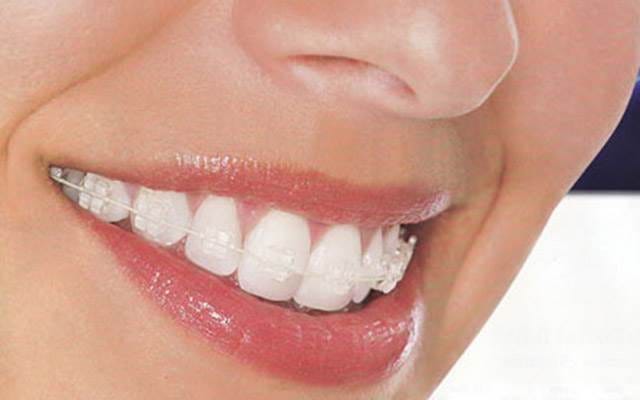
- Whereas metal braces have noticeable stainless-steel brackets and wires, ceramic braces use tooth-coloured or clear ceramic brackets that blend more naturally with teeth, making them less noticeable.
- In terms of durability, metal braces are far stronger than their ceramic counterpart. Ceramic braces are made from composite materials or ceramic alloys, which can be more prone to breakage than metal.
- Comfort-wise, due to their smoother edges, ceramic braces tend to be less irritating to the gums and cheeks compared to metal braces, which can have sharper edges.
- When comparing cost, ceramic braces tend to be more expensive than metal braces due to their aesthetic appeal and specialized materials.
The choice between metal and ceramic braces will revolve around your personal preference when taking these factors into consideration.

Aligners
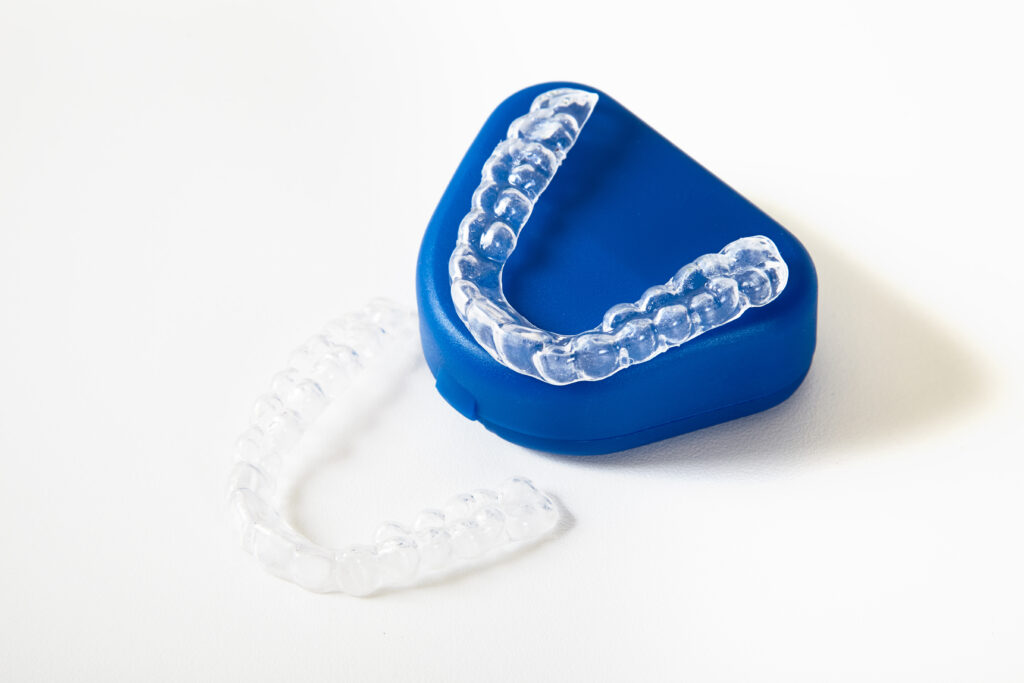
Aligners are a popular alternative to traditional braces for straightening teeth and correcting bite issues because of their aesthetic appeal (being nearly invisible), comfort (no metal brackets or wires), and convenience (removable for eating and cleaning). Each set of aligners is custom-made, designed to incrementally shift teeth into the desired position based on the treatment plan.
The process begins with a consultation where digital scans, impressions, or photographs of the teeth are taken to create a 3D model. This model helps plan the precise movements needed to achieve optimal alignment. From this plan, a series of aligners is manufactured, with each aligner slightly different from the previous one to gradually move the teeth.
Patients wear each set of aligners for about 1-2 weeks before progressing to the next set in the series. They should wear aligners for 20-22 hours a day, removing them only for eating, drinking (except water), and oral hygiene routines. Regular check-ups are scheduled to monitor progress and receive new aligners.
Steps We Follow in your orthodontic treatment
Initial examination and diagnosis.
Digital scans of your teeth, X-rays, intra-oral and extra-oral photographs and impressions.
The treatment plan outlines personalised steps for achieving your ideal dental goal.
Regular check-ups to adjust braces or receive new aligners.
Placement of braces or first set of aligners.
Use of retainers after treatment to maintain alignment.
Contact Us
Alternatively, fill out the form below and we will be in touch with you.
Book An appointment
Walton Orthodontics Contact Information
At Walton Orthodontics, we are dedicated to transforming smiles with expert care and personalised treatment plans. Contact us today to begin your journey to a healthier, more beautiful smile.
Operating Hours
-
Monday - Thursday 09:00 AM to 18:00 PM
-
Friday 09:00 AM to 17:00 PM
-
Weekends & Public Holidays Closed