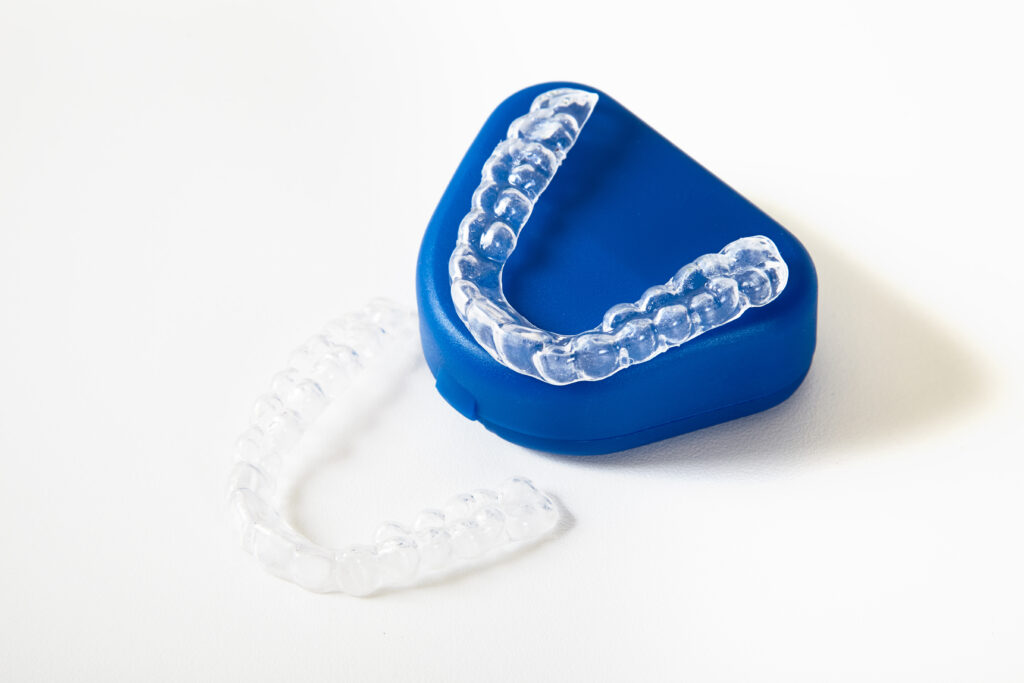
Ceramic vs metal aligners & braces
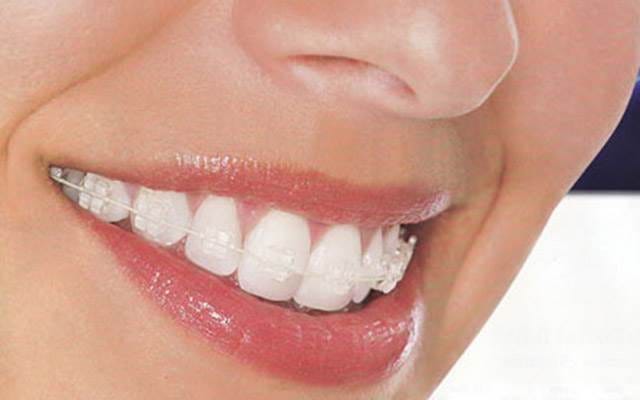
Metal vs Ceramic Braces
Both metal and ceramic braces involve brackets bonded to the teeth and connected by wires to gradually move teeth into proper alignment. They work in the same way, requiring regular adjustments to make sure the teeth move properly into alignment over time and are equally effective in achieving the desired outcome.
The difference between the two is mainly in their appearance, durability, comfort and cost:
- Whereas metal braces have noticeable stainless-steel brackets and wires, ceramic braces use tooth-coloured or clear ceramic brackets that blend more naturally with teeth, making them less noticeable.
- In terms of durability, metal braces are far stronger than their ceramic counterpart. Ceramic braces are made from composite materials or ceramic alloys, which can be more prone to breakage than metal.
- Comfort-wise, due to their smoother edges, ceramic braces tend to be less irritating to the gums and cheeks compared to metal braces, which can have sharper edges.
- When comparing cost, ceramic braces tend to be more expensive than metal braces due to their aesthetic appeal and specialized materials.
The choice between metal and ceramic braces will revolve around your personal preference when taking these factors into consideration.

Aligners
Aligners are a popular alternative to traditional braces for straightening teeth and correcting bite issues because of their aesthetic appeal (being nearly invisible), comfort (no metal brackets or wires), and convenience (removable for eating and cleaning). Each set of aligners is custom-made, designed to incrementally shift teeth into the desired position based on the treatment plan.
The process begins with a consultation where digital scans, impressions and photographs of the teeth are taken to create a 3D model. This model helps plan the precise movements needed to achieve optimal alignment. From this plan, a series of aligners is manufactured, with each aligner slightly different from the previous one to gradually move the teeth.
Patients wear each set of aligners for about 1-2 weeks before progressing to the next set in the series. They should wear aligners for 20-22 hours a day, removing them only for eating, drinking (except water), and oral hygiene routines. Regular check-ups are scheduled to monitor progress and receive new aligners.